Commercial Flat Roofing vs. Sloped Roof: What’s Best for Your Property?
Learn about both roof types, compare their real-world trade-offs, and discover which option fits your building, budget, and goals.

Despite the name, commercial flat roofs are not completely level. They are designed with a slight pitch, typically between one-quarter and one-half inch per foot, to direct water toward drains. This low-slope design is the standard across most commercial, industrial, and multi-family buildings.
Common materials used on commercial flat roofing systems include:
Each material carries different performance characteristics, cost profiles, and ideal use cases depending on climate and building type.
A sloped, or steep-slope, roof is designed with a more pronounced pitch that allows water and debris to shed naturally. Sloped roofs are more common in residential construction but appear on certain commercial building types, including retail centers, hospitality properties, religious institutions, and some industrial facilities.
Common materials used on sloped commercial roofs include:
The structural framework required for a sloped roof adds complexity and cost compared to flat systems, but it also brings natural advantages in drainage and longevity.
Understanding the strengths and limitations of commercial flat roofing helps set realistic expectations before committing to a system.
Flat roofs offer several practical benefits that make them the go-to choice for commercial construction:
Flat roofing systems come with trade-offs that require proactive management:
Sloped roofs offer a different set of advantages and challenges for commercial applications.
Sloped systems bring structural and performance benefits that suit specific building types well:
Sloped systems are not always the practical choice for commercial applications:
Cost comparisons between flat and sloped roofing need to account for three distinct phases: installation, ongoing maintenance, and full lifecycle value.
Installation costs favor flat roofing systems, particularly on large commercial footprints. The simpler structural requirements and lower material volume make flat roofs significantly less expensive to install per square foot than sloped alternatives.
Maintenance costs depend on material choice and how well roof drainage systems are managed. Flat roofs that receive consistent inspections and timely repairs can match or outperform sloped systems in long-term maintenance spending. Neglected flat roofs, however, accumulate damage faster due to drainage failures and standing water.
Lifecycle value is where the comparison becomes more nuanced. A metal sloped roof may last 40 or more years with minimal intervention, while a TPO or PVC flat roof typically delivers 20 to 30 years under proper maintenance programs. The right choice depends on how long you plan to hold the property and what maintenance resources are available.
Explore ROOFCORP’s commercial roof systems to find the right solution for your building type and budget.
Roof type influences energy performance, and both flat and sloped systems can be optimized for efficiency depending on material selection.
Commercial flat roofing systems are well-positioned for cool roof strategies. Reflective membranes like TPO and PVC reduce heat absorption, lower mechanical cooling loads, and support compliance with California’s Title 24 energy code. Flat roofs also allow for straightforward installation of solar panels, which increases their long-term sustainability value.
Sloped roofs can incorporate reflective metal panels and cool roof coatings that improve energy performance in high-sun climates. Proper insulation beneath either system plays a significant role in regulating interior temperatures and reducing heating and cooling costs year-round.
One of the most important and often overlooked differences between flat and sloped roofs is how each one manages water. Roof drainage systems are built into every flat roof design through a combination of interior drains, scuppers, and gutters that channel water off the surface.
When drainage design is done well, flat roofs handle even heavy rainfall reliably. When it is done poorly or left unmaintained, standing water accelerates membrane wear, adds structural load, and creates leak pathways that compound over time.
Sloped roofs move water through gravity alone, which eliminates the reliance on drainage infrastructure. In heavy snow regions, slope helps shed accumulation before it adds structural load, though proper flashing and gutter design remain important regardless of pitch.
Selecting between roof types for commercial buildings is not a one-size-fits-all decision. Several building-specific factors shape which system delivers the best long-term value.
Large, flat-footprint commercial buildings such as warehouses, retail centers, and office complexes are almost always better suited for low-slope roofing. The cost and structural demands of a sloped system become impractical at scale. Smaller commercial buildings with more architectural flexibility may support either approach.
Buildings in the Pacific Northwest, where heavy rainfall is seasonal, need commercial flat roofing systems with robust drainage and strong waterproofing membranes. Properties in Southern California benefit from highly reflective materials that reduce heat gain. In Alaska and high-elevation regions, roofing systems must handle significant snow loads and temperature extremes.
Buildings with extensive HVAC, mechanical, or solar installations benefit from the flat, accessible surface that commercial low slope roofing provides. If routine equipment servicing is part of building operations, flat roof access is a meaningful practical advantage.
Owners focused on minimizing upfront capital typically favor flat roofing. Those planning to hold a property for decades with limited maintenance resources may find the longer lifespan of a well-installed metal sloped system more cost-effective over the full ownership period.
ROOFCORP has spent more than 40 years helping commercial property owners, facility managers, and developers navigate roofing decisions with confidence. Our team assesses each project on its own terms and recommends systems based on what performs best for your specific building and climate, not what is easiest to install.
Contact ROOFCORP to schedule a free consultation and roof assessment.
 https://www.roofcorp.com/wp-content/uploads/2026/05/Cool-Roof-Coatings-How-LA-Businesses-Beat-the-Heat.jpg
1250
2000
Abstrakt Marketing
/wp-content/uploads/2024/05/roofcorp-logo.png
Abstrakt Marketing2026-05-28 13:09:342026-05-28 13:09:39Cool Roof Coatings: How LA Businesses Beat the Heat
https://www.roofcorp.com/wp-content/uploads/2026/05/Cool-Roof-Coatings-How-LA-Businesses-Beat-the-Heat.jpg
1250
2000
Abstrakt Marketing
/wp-content/uploads/2024/05/roofcorp-logo.png
Abstrakt Marketing2026-05-28 13:09:342026-05-28 13:09:39Cool Roof Coatings: How LA Businesses Beat the Heat https://www.roofcorp.com/wp-content/uploads/2024/07/Professional-bitumen-waterproofing-on-a-flat-building.jpg
1250
2000
Abstrakt Marketing
/wp-content/uploads/2024/05/roofcorp-logo.png
Abstrakt Marketing2026-04-14 11:20:502026-04-14 11:20:58Why West Coast Climates Demand the Right Roofing System
https://www.roofcorp.com/wp-content/uploads/2024/07/Professional-bitumen-waterproofing-on-a-flat-building.jpg
1250
2000
Abstrakt Marketing
/wp-content/uploads/2024/05/roofcorp-logo.png
Abstrakt Marketing2026-04-14 11:20:502026-04-14 11:20:58Why West Coast Climates Demand the Right Roofing System https://www.roofcorp.com/wp-content/uploads/2026/04/Roofcorp-Summer-Roof-Image.jpg
1250
2000
Abstrakt Marketing
/wp-content/uploads/2024/05/roofcorp-logo.png
Abstrakt Marketing2026-04-02 07:04:102026-04-02 09:42:40How West Coast Weather Impacts a Commercial Roof Lifespan
https://www.roofcorp.com/wp-content/uploads/2026/04/Roofcorp-Summer-Roof-Image.jpg
1250
2000
Abstrakt Marketing
/wp-content/uploads/2024/05/roofcorp-logo.png
Abstrakt Marketing2026-04-02 07:04:102026-04-02 09:42:40How West Coast Weather Impacts a Commercial Roof Lifespan https://www.roofcorp.com/wp-content/uploads/2024/07/Suzuki-2-1030x644-1.jpg
644
1030
Abstrakt Marketing
/wp-content/uploads/2024/05/roofcorp-logo.png
Abstrakt Marketing2026-03-23 14:33:552026-04-02 09:42:41How to Choose the Best Commercial Roofing Contractor on the West Coast
https://www.roofcorp.com/wp-content/uploads/2024/07/Suzuki-2-1030x644-1.jpg
644
1030
Abstrakt Marketing
/wp-content/uploads/2024/05/roofcorp-logo.png
Abstrakt Marketing2026-03-23 14:33:552026-04-02 09:42:41How to Choose the Best Commercial Roofing Contractor on the West Coast https://www.roofcorp.com/wp-content/uploads/2026/01/Roofcorp-Whole-Foods-Roof-wide-view.jpg
1250
2000
Abstrakt Marketing
/wp-content/uploads/2024/05/roofcorp-logo.png
Abstrakt Marketing2026-01-27 12:42:522026-05-28 13:09:57The Best Commercial Roofing Systems for Lifecycle Value and Sustainability
https://www.roofcorp.com/wp-content/uploads/2026/01/Roofcorp-Whole-Foods-Roof-wide-view.jpg
1250
2000
Abstrakt Marketing
/wp-content/uploads/2024/05/roofcorp-logo.png
Abstrakt Marketing2026-01-27 12:42:522026-05-28 13:09:57The Best Commercial Roofing Systems for Lifecycle Value and Sustainability https://www.roofcorp.com/wp-content/uploads/2024/07/Bitumen10.jpg
1250
2000
Abstrakt Marketing
/wp-content/uploads/2024/05/roofcorp-logo.png
Abstrakt Marketing2025-02-18 10:09:282026-04-02 09:42:47Types of Industrial Roofing and Their Benefits
https://www.roofcorp.com/wp-content/uploads/2024/07/Bitumen10.jpg
1250
2000
Abstrakt Marketing
/wp-content/uploads/2024/05/roofcorp-logo.png
Abstrakt Marketing2025-02-18 10:09:282026-04-02 09:42:47Types of Industrial Roofing and Their Benefits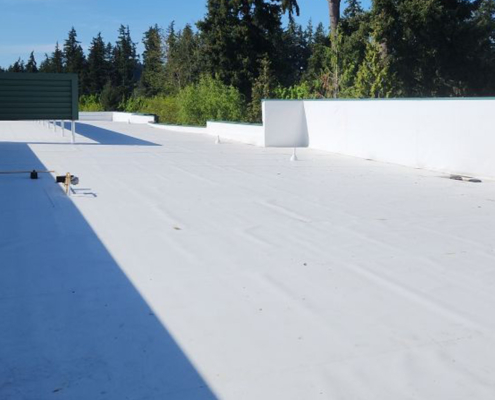 https://www.roofcorp.com/wp-content/uploads/2024/07/NRP-12.jpg
1250
2000
Abstrakt Marketing
/wp-content/uploads/2024/05/roofcorp-logo.png
Abstrakt Marketing2025-02-18 10:01:362026-04-02 09:42:47Commercial vs Industrial Roofing: What’s the Difference?
https://www.roofcorp.com/wp-content/uploads/2024/07/NRP-12.jpg
1250
2000
Abstrakt Marketing
/wp-content/uploads/2024/05/roofcorp-logo.png
Abstrakt Marketing2025-02-18 10:01:362026-04-02 09:42:47Commercial vs Industrial Roofing: What’s the Difference? https://www.roofcorp.com/wp-content/uploads/2024/07/Image-of-a-molding-roof-damaged-by-humidity.jpg
1250
2000
Nate Riggins
/wp-content/uploads/2024/05/roofcorp-logo.png
Nate Riggins2023-04-13 00:00:002026-04-02 09:42:57How Humidity Affects Your Roofing System
https://www.roofcorp.com/wp-content/uploads/2024/07/Image-of-a-molding-roof-damaged-by-humidity.jpg
1250
2000
Nate Riggins
/wp-content/uploads/2024/05/roofcorp-logo.png
Nate Riggins2023-04-13 00:00:002026-04-02 09:42:57How Humidity Affects Your Roofing System https://www.roofcorp.com/wp-content/uploads/2024/07/Image-of-a-worker-installing-new-tiles-on-a-commercial-roof.jpg
1250
2000
Nate Riggins
/wp-content/uploads/2024/05/roofcorp-logo.png
Nate Riggins2023-03-02 00:00:002026-04-02 09:42:57Do you need a commercial roof repair in Seattle?
https://www.roofcorp.com/wp-content/uploads/2024/07/Image-of-a-worker-installing-new-tiles-on-a-commercial-roof.jpg
1250
2000
Nate Riggins
/wp-content/uploads/2024/05/roofcorp-logo.png
Nate Riggins2023-03-02 00:00:002026-04-02 09:42:57Do you need a commercial roof repair in Seattle?