• GET A FREE ESTIMATE
ROOFCORP
  • Roofing Services
    • Roof Maintenance
    • Roof Repair
    • Roof Restoration
    • Roof Replacement
    • Gas Station Canopy
    • Roof Installation
  • Roof Systems
        • Flat Roofs
          • Single Ply Membranes
          • Modified Bitumen Roofing
        • Steep Slope
          • Asphalt Shingles
        • Liquid-Applied Membranes
        • Energy Efficient Roofing
          • Cool Roofs
          • Skylights
        • Waterproofing
          • Traffic Coating
          • Pedestrian Traffic Coating
  • About
    • Projects
    • Industries We Serve
    • Areas We Serve
      • Los Angeles
      • Portland
      • Seattle
      • Alaska
    • Manufacturers
    • Leadership Team
    • Careers
    • Testimonials
  • Blog
  • Contact
  • Menu Menu

Comparing TPO vs EPDM: Which Is the Best Commercial Roofing Option?

Membrane roofing has garnered significant popularity among commercial properties and is a favored option for flat or low-slope roofs in residential settings. Among many membrane roofing options, TPO and EPDM stand out as two of the most prevalent choices. As both options enjoy widespread popularity, it is important to perform a comparative analysis of their key factors to discern which one best meets your specific needs and preferences.
TPO Roofing: Pros and Cons

When considering flat roofing materials, TPO Roofing stands as a popular choice due to its unique properties and practical advantages. Understanding the benefits and limitations of Thermoplastic Polyolefin (TPO) is essential for making an informed decision. Let’s explore the pros and cons of this roofing material.

What Is TPO Roofing?

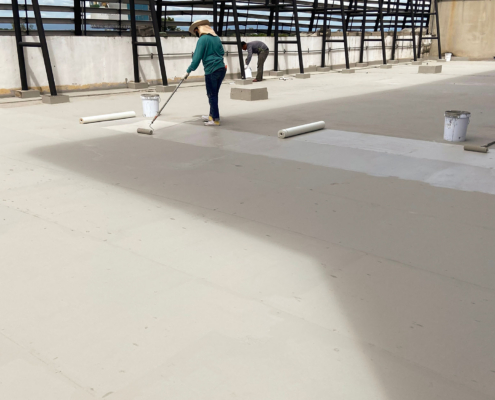
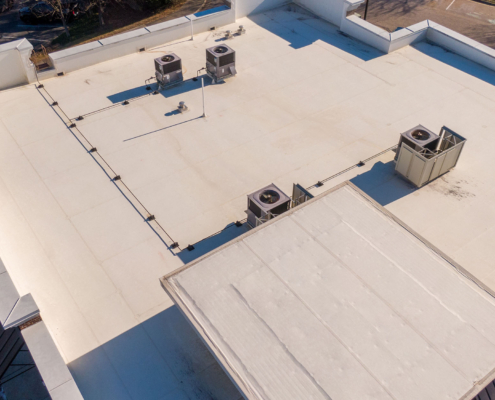
TPO roofing is a single-ply roofing membrane made from ethylene-propylene rubber combined with polypropylene. It is designed to combine EPDM rubber’s durability with hot-air weldable seams’ performance. Commonly used in both commercial and residential buildings, TPO is recognized for its flexibility, ease of installation, and heat-reflective properties.

Benefits of TPO Roofing

TPO offers numerous advantages for commercial facilities, such as:

  • Durability: TPO roofing resists mold growth, dirt accumulation, tears, and punctures. It can endure the elements, proving to be a reliable choice for many building requirements.
  • Energy Efficiency: TPO membranes’ reflective properties can reduce cooling costs by reflecting UV rays, helping to keep buildings at a steadier temperature.
  • Easy Installation: Compared to other materials, TPO roofing is lightweight and comes in large, wide sheets. This leads to quicker, easier installations and fewer seams.
  • Cost-Effective: TPO offers an excellent cost-to-value ratio, being less expensive than many other roofing materials while still providing valuable benefits.
  • Flexible: With its flexible membrane, TPO can move with the building as it settles and reacts to different temperatures, which reduces the risk of cracks and tears.

Drawbacks of TPO Roofing

While TPO roofing membranes offer many benefits, it’s not without its share of drawbacks:

  • Variability in Quality: As TPO is a relatively new product, the market offers a wide range of qualities, which can impact its overall performance and longevity.
  • Longevity Concerns: Although TPO has many beneficial qualities, it hasn’t been on the market as long as other materials. Because of this, there’s less information about its long-term performance.
  • Welding Issues: The seams of TPO roofing are heat welded, which requires precise installation. Improper welding can lead to seam failures and increased labor costs for repairs.

EPDM Roofing: Advantages and Disadvantages

EPDM, or rubber roofing, is a highly durable synthetic roofing membrane widely used on low-slope buildings. EPDM is made from a mixture of ethylene, propylene, and diene, it ranks as a preferred choice for many commercial building owners and contractors due to its proven performance and flexibility.

Let’s explore some of the pros and cons that come with EPDM roofing.

Advantages of EPDM Roofing

EPDM roofing provides a plethora of advantages, including the following:

  • Longevity: EPDM roofs can last up to 40 years or more, thanks to their resistance to UV radiation, ozone, and extreme weather conditions.
  • Durability: Known for its superior resistance to abrasion and tearing, EPDM can withstand the test of time.
  • Maintenance: With minimal maintenance requirements, EPDM is a low-cost option in the long term.
  • Flexible: The material remains flexible even at extremely low temperatures, minimizing the potential for cracks and leaks.
  • Eco-Friendly: As an inert material, EPDM can be recycled at the end of its life cycle, contributing to environmental sustainability.

Disadvantages of EPDM Roofing

Along with its advantages, EPDM roofing also contains potential cons that building owners should be aware of:

  • Aesthetic Limitations: The standard black color of EPDM may not align with every design preference and can contribute to higher cooling costs in sunny climates.
  • Sensitivity to Punctures: Although tough, EPDM can be punctured by sharp objects and requires protective layers when installed in areas with foot traffic or falling debris.
  • Installation: If not properly installed, seams and edges may shrink, leading to leaks. It’s important to hire experienced contractors for installation.
  • Heat Absorption: The dark surface can absorb a lot of heat, which might not be ideal for warm climates or buildings that require a cool roof system.
  • Repair Complexity: Though not common, repairs on EPDM roofing can sometimes be more complex than other materials, often requiring specialized materials and knowledge.

Learn more about EPDM roofing to determine whether it is the ideal material for your commercial building.

Explore EPDM Roofing

Comparing TPO vs EPDM Roofing Systems

While TPO and EPDM roofing systems contain unique advantages, disadvantages, and other qualities, it can be hard to determine which is best without a direct comparison.

TPO vs EPDM: Which Is More Durable and Long Lasting?

People often prioritize durability and longevity when choosing a roofing material for their building. TPO roofing, known for its resistance to ultraviolet, ozone, and chemical exposure, has a lifespan of 20–30 years with proper maintenance. On the other hand, EPDM roofs are famed for their resilience against harsh weather conditions and can last up to 30 years or more.

While TPO’s heat-welded seams enhance durability against leaks, EPDM’s vulnerability to seam-related issues should be considered, especially over long-term exposure.

TPO vs EPDM: Undergoing Specific Situations

Different roofing materials shine under different circumstances. TPO is an excellent choice when energy efficiency is a priority, as its reflective surface can decrease cooling costs. It is also more suitable when the roof is expected to endure more foot traffic due to its puncture-resistant nature.

Conversely, EPDM roofs are often favored for larger commercial projects due to their easy installation over expansive surfaces and their established track record in various conditions. Here are some examples of when you may want to consider opting for one roofing material over another.

  • Hot Climates: TPO is more advantageous due to its UV resistance and cooling properties.
  • Heavy Foot Traffic: TPO’s robust structure makes it more resilient against punctures.
  • Budget-Conscious Projects: EPDM can be more cost-effective, especially for large-scale installations.

TPO vs EPDM: Which Is More Affordable?

Roof cost is a decisive factor for many property owners. Regarding TPO vs EPDM, both materials offer competitive pricing, but EPDM often has the edge in terms of initial installation costs. However, it’s important to note that TPO may lead to lower energy bills due to its reflective properties, which can offset the upfront cost difference over time.

What Factors Do TPO and EPDM Have in Common?

Despite their differences, TPO and EPDM roofing materials share several commonalities. Both are excellent choices for flat or low-slope roofs, and they provide strong resistance to environmental elements. They are also recognized for their low-maintenance needs and can be installed with similar techniques, requiring adhesive, fastening, or ballasting. Moreover, each material is available in various thicknesses to suit different insulation and performance needs.

TPO vs EPDM Roofing: Which Is Best for Your Building?

Choosing a suitable roofing material is critical for protecting and maximizing your building’s protection. Both TPO and EPDM roofing systems have merits, but the best choice depends on your specific needs and circumstances.

Determining the Best Roofing Solution for Your Needs

The decision between TPO and EPDM roofing ultimately comes down to a variety of factors unique to your project. Consider the following aspects:

  • Climatic Conditions: Your local weather patterns play a significant role in determining which roofing material is superior for your building.
  • Building Design: The design and structure of your building can affect which roofing system works best.
  • Energy Efficiency: If energy savings is a priority, you’ll want to compare the insulative properties and reflectivity of TPO and EPDM.
  • Environmental Impact: For those keen on having an environmentally friendly roof, the choice between TPO and EPDM may boil down to the production process and the material’s recyclability.
  • Budget Constraints: Your available budget can significantly influence whether TPO or EPDM is the right choice for your roofing project.
  • Long-Term Maintenance: Maintenance requirements and the expected lifespan of the roofing material are key considerations.

If you’re weighing TPO vs EPDM, know there isn’t a one-size-fits-all answer. Both types of commercial roofing have their specific advantages and can be the “best” option under the right conditions.

Consulting a Professional Roofing Expert

While online research and comparison are valuable, they only go so far. The best way to ensure you choose the best roofing material for your commercial needs is to consult a professional roofing expert. These specialists consider the aforementioned factors and provide a tailored recommendation based on their extensive knowledge and experience.

To make a fully informed decision, leverage the expertise of roofing professionals—like Roofcorp—who can guide you to the solution that offers the greatest benefit for your specific situation.

Choose the Best Roofing Option for Your Commercial Facility With Roofcorp

Roofcorp is your trusted partner for all your commercial roofing needs. With expertise in TPO and EPDM roofing materials, our team is equipped to provide comprehensive solutions tailored to your facility’s requirements. Whether you’re considering TPO’s energy efficiency or EPDM’s proven durability, our experts can conduct thorough inspections to help determine the best option for your property.

Contact our experts today for reliable advice, quality installation, and ongoing support to ensure the long-term performance and protection of your commercial roof.

Share This Post

  • Share on Facebook
  • Share on X
  • Share on WhatsApp
  • Share on Pinterest
  • Share on LinkedIn
  • Share on Tumblr
  • Share on Vk
  • Share on Reddit
  • Share by Mail

More Like This

How Cool Roof Coatings Help Commercial Facilities

How Cool Roof Coatings Help Commercial Facilities Meet California’s 2025 Title 24 Compliance

Commercial Roofing
Learn how a cool roof coating can bring your California commercial building into Title 24 compliance without a costly tear-off.
July 18, 2026
https://www.roofcorp.com/wp-content/uploads/2026/07/How-Cool-Roof-Coatings-Help-Commercial-Facilities.jpg 1250 2000 Abstrakt Marketing /wp-content/uploads/2024/05/roofcorp-logo.png Abstrakt Marketing2026-07-18 17:04:112026-07-18 17:04:18How Cool Roof Coatings Help Commercial Facilities Meet California’s 2025 Title 24 Compliance
Sunny Day Time Drone Images of a TPO Roof on a Commercial Building

A West Coast Facility Manager’s Guide to Commercial Roof Coating ROI vs. Replacement

Commercial Roofing
Trying to decide between a commercial roof coating and a full replacement? This practical ROI guide helps facility managers make a smarter decision.
July 17, 2026
https://www.roofcorp.com/wp-content/uploads/2025/11/Sunny-Day-Time-Drone-Images-of-a-TPO-Roof-on-a-Commercial-Building.jpg 1250 2000 Abstrakt Marketing /wp-content/uploads/2024/05/roofcorp-logo.png Abstrakt Marketing2026-07-17 14:55:072026-07-17 14:55:14A West Coast Facility Manager’s Guide to Commercial Roof Coating ROI vs. Replacement
Reroofing vs. Roof Replacement: Roofing Multi-Location Enterprises

Reroofing vs. Roof Replacement: Roofing Multi-Location Enterprises

Commercial Roofing
Compare reroofing vs. roof replacement and restoration to find the best option for multi-location commercial portfolios. Learn costs, timelines, and risks.
January 27, 2026
https://www.roofcorp.com/wp-content/uploads/2026/01/Reroofing-vs.-Roof-Replacement-Roofing-Multi-Location-Enterprises.jpg 1250 2000 Abstrakt Marketing /wp-content/uploads/2024/05/roofcorp-logo.png Abstrakt Marketing2026-01-27 04:49:502026-04-02 09:42:41Reroofing vs. Roof Replacement: Roofing Multi-Location Enterprises

How to Plan a Large-Scale Commercial Roof Replacement Without Disrupting Business

Commercial Roofing, Roof Repair / Replacement
 Learn how multi-site organizations can plan a large-scale commercial roof replacement with minimal disruption and predictable timelines.
December 23, 2025
https://www.roofcorp.com/wp-content/uploads/2025/12/How-to-Plan-a-Large-Scale-Commercial-Roof-Replacement-Without-Disrupting-Business.jpg 1250 2000 Abstrakt Marketing /wp-content/uploads/2024/05/roofcorp-logo.png Abstrakt Marketing2025-12-23 13:37:152026-04-02 09:42:42How to Plan a Large-Scale Commercial Roof Replacement Without Disrupting Business
Roof inspector climbing ladder to commercial roof

Scheduling Commercial Roof Inspection Services Before the Rainy Season

Commercial Roofing
 Learn why scheduling commercial roof inspection services before the rainy season prevents leaks, cuts repair costs, and protects tenants.
September 3, 2025
https://www.roofcorp.com/wp-content/uploads/2025/09/Roof-inspector-climbing-ladder-to-commercial-roof.jpg 1250 2000 Abstrakt Marketing /wp-content/uploads/2024/05/roofcorp-logo.png Abstrakt Marketing2025-09-03 10:46:412026-04-02 09:42:43Scheduling Commercial Roof Inspection Services Before the Rainy Season
Workers painting commercial roof

The Role of Commercial Roof Coating Services in Weatherproofing Commercial Buildings

Commercial Roofing
 Learn how commercial roof coating services protect, waterproof, and extend the life of your commercial roof. See coating types and when to use them.
September 3, 2025
https://www.roofcorp.com/wp-content/uploads/2025/09/Workers-painting-commercial-roof.jpg 1250 2000 Abstrakt Marketing /wp-content/uploads/2024/05/roofcorp-logo.png Abstrakt Marketing2025-09-03 10:37:192026-04-02 09:42:44The Role of Commercial Roof Coating Services in Weatherproofing Commercial Buildings
commrcial roofing_

How Water Drainage Impacts Commercial Roof Collapse Prevention

Commercial Roofing, Roofing Maintenance
Explore the critical role of water drainage in commercial roof collapse prevention. Understand best practices to maintain structural integrity.
June 27, 2025
https://www.roofcorp.com/wp-content/uploads/2024/07/commrcial-roofing_.jpg 1250 2000 Abstrakt Marketing /wp-content/uploads/2024/05/roofcorp-logo.png Abstrakt Marketing2025-06-27 06:05:112026-04-02 09:42:45How Water Drainage Impacts Commercial Roof Collapse Prevention

5 Common Commercial Roof Drainage Problems and How to Fix Them

Commercial Roofing, Roofing Maintenance
Discover five commercial roof drainage problems, their causes, and how to fix them before damage spreads. Learn when DIY will and won't cut it.
June 3, 2025
https://www.roofcorp.com/wp-content/uploads/2025/06/5-Common-Commercial-Roof-Drainage-Problems-and-How-to-Fix-Them.jpg 1250 2000 Abstrakt Marketing /wp-content/uploads/2024/05/roofcorp-logo.png Abstrakt Marketing2025-06-03 08:36:222026-04-02 09:42:455 Common Commercial Roof Drainage Problems and How to Fix Them

Why Commercial Roof Drainage Is the Silent Killer of Your Roofing System

Commercial Roofing, Roofing Maintenance
Learn how poor commercial roof drainage can lead to hidden water damage, structural risks, and warranty voids. Discover expert tips to protect your roof.
May 1, 2025
https://www.roofcorp.com/wp-content/uploads/2025/05/Why-Commercial-Roof-Drainage-Is-the-Silent-Killer-of-Your-Roofing-System.jpg 1250 2000 Abstrakt Marketing /wp-content/uploads/2024/05/roofcorp-logo.png Abstrakt Marketing2025-05-01 12:01:572026-04-02 09:42:45Why Commercial Roof Drainage Is the Silent Killer of Your Roofing System
Previous Previous Previous Next Next Next

Categories

  • Alaska
  • Commercial Roof Maintenance
  • Commercial Roofing
  • Drainage
  • Energy Efficient Roofing
  • Flat Roofs
  • Gas Station Roofing
  • Liquid-Applied Membranes
  • Modified Bitumen Roofing
  • National Roofing Accounts
  • Preventative Maintenance
  • Roof Coatings
  • Roof Repair / Replacement
  • Roofing Maintenance
  • Roofing Services
  • Roofing Systems
  • TPO Roofing

Contact Us

"*" indicates required fields

This field is for validation purposes and should be left unchanged.

“ROOFCORP™” is a registered trademark of Roofcorp of America, Inc., registered with the U.S. Patent and Trademark Office under registration number 2528633.

About Us

Founded in 1985, ROOFCORP has grown from a small family-owned business to a leading commercial roofing company on the West Coast.

roofcorp-logo

What We Do

Roof Services

Roof Systems

Stay Connected

  • Link to LinkedIn

Contact Us

California: 2130 S. Dupont Dr, Anaheim, CA, 92806 /1-800-439-9910

Oregon: P.O. Box 7128, Beaverton, OR, 97007 / 1-800-439-9910

Washington: P.O. Box 69315, Seattle, WA, 98168 / 1-800-439-9910

Website by Abstrakt Marketing Group ©
  • Privacy Policy
  • Sitemap
Scroll to top Scroll to top Scroll to top

This site uses cookies. By continuing to browse the site, you are agreeing to our use of cookies.

AcceptLearn more

Cookie and Privacy Settings


How we use cookies

We may request cookies to be set on your device. We use cookies to let us know when you visit our websites, how you interact with us, to enrich your user experience, and to customize your relationship with our website.

Click on the different category headings to find out more. You can also change some of your preferences. Note that blocking some types of cookies may impact your experience on our websites and the services we are able to offer.

Essential Website Cookies

These cookies are strictly necessary to provide you with services available through our website and to use some of its features.

Because these cookies are strictly necessary to deliver the website, refusing them will have impact how our site functions. You always can block or delete cookies by changing your browser settings and force blocking all cookies on this website. But this will always prompt you to accept/refuse cookies when revisiting our site.

We fully respect if you want to refuse cookies but to avoid asking you again and again kindly allow us to store a cookie for that. You are free to opt out any time or opt in for other cookies to get a better experience. If you refuse cookies we will remove all set cookies in our domain.

We provide you with a list of stored cookies on your computer in our domain so you can check what we stored. Due to security reasons we are not able to show or modify cookies from other domains. You can check these in your browser security settings.

Other external services

We also use different external services like Google Webfonts, Google Maps, and external Video providers. Since these providers may collect personal data like your IP address we allow you to block them here. Please be aware that this might heavily reduce the functionality and appearance of our site. Changes will take effect once you reload the page.

Google Webfont Settings:

Google Map Settings:

Google reCaptcha Settings:

Vimeo and Youtube video embeds:

Accept settingsHide notification only
  • Emergency Service